
Get Gas Line Capping in Boise, ID
Gas line capping services for Boise property owners involve safely sealing off unused or damaged gas lines, preventing leaks during renovations, repairs, or property decommissioning.
Property owners in Boise, ID, who are planning renovations, additions, or new construction projects may find gas line capping services to be an essential step in ensuring safety and compliance. Properly capping an unused or outdated gas line helps prevent leaks and potential hazards, providing peace of mind during property upgrades. Exploring local contractors who specialize in gas line capping can help streamline planning efforts and ensure the work meets regional standards and regulations.
For those comparing options in Boise, understanding the range of services offered by nearby professionals can assist in making informed decisions. Many local service providers are experienced in handling gas line capping with attention to detail and safety considerations specific to the area. Continuing to explore available options can help property owners identify the right professionals to support their project needs effectively.
- Gas Line Capping - needed when outdated or unused gas lines in Boise neighborhoods require safe sealing.
- Gas Line Removal - necessary for homes undergoing renovation or upgrades that involve removing old gas infrastructure.
- Gas Line Repair - required when leaks or damage are detected in gas lines serving residential or commercial properties.
- Gas Line Abandonment - appropriate when decommissioning gas lines that are no longer in use to ensure safety and compliance.
- Gas Line Inspection - essential for verifying the condition and safety of existing gas lines before renovation or sale.
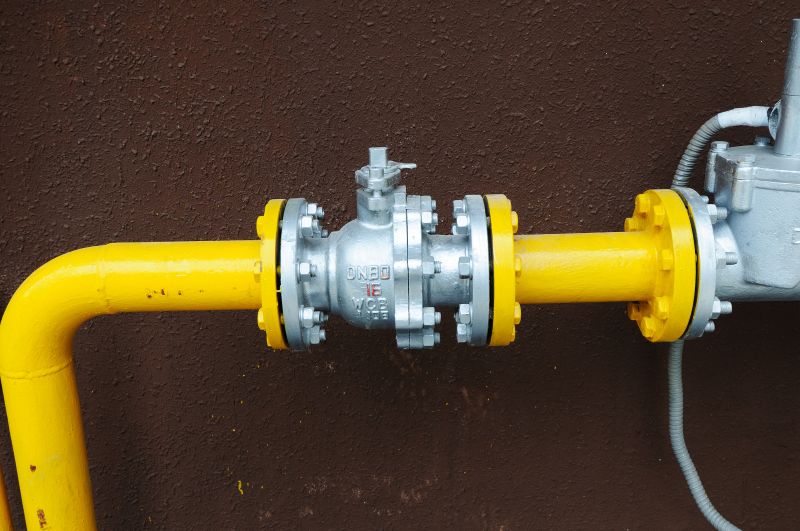
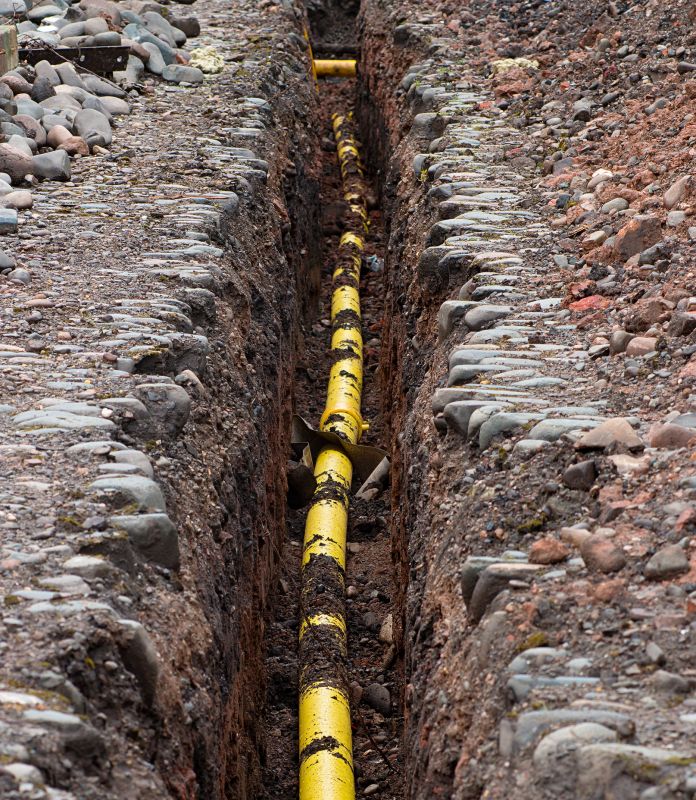
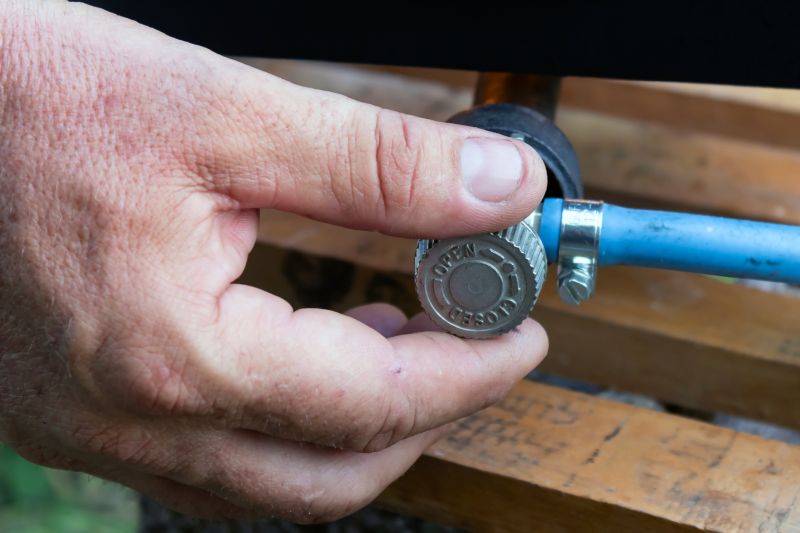
Gas line capping services involve securely sealing off an existing natural gas or propane line that is no longer in use or is being temporarily shut down. This process typically includes disconnecting the line from appliances or meters, inspecting the pipe for safety, and installing a cap or plug that prevents any gas from escaping. Proper capping ensures that the gas supply is safely isolated, reducing the risk of leaks or potential hazards. These services are essential when homeowners are renovating, decommissioning appliances, or preparing a property for sale or lease, providing peace of mind that the gas line is safely sealed.
Many problems can be addressed through professional gas line capping. For example, if a gas appliance is being removed or replaced, capping the line prevents leaks that could lead to dangerous accumulations of gas. It also helps in situations where a property is vacant or undergoing renovations, reducing the risk of accidental leaks or unauthorized use. Additionally, capping is a key step when closing or repurposing a space, such as converting a garage or basement into a different type of room. Properly capped gas lines contribute to overall property safety and compliance with local building codes.
Property types that commonly require gas line capping include residential homes, especially those undergoing remodeling or renovation projects. Single-family houses, townhomes, and condominiums may need this service when upgrading kitchens, adding new appliances, or removing old systems. Commercial properties, such as restaurants or small businesses, may also use gas line capping when changing equipment or shutting down certain operations. Additionally, rental properties and vacant buildings often require gas line capping to ensure safety during periods of inactivity or before new tenants move in.
Homeowners in Boise, ID, and nearby areas might find themselves needing gas line capping when removing old appliances like water heaters, stoves, or fireplaces connected to gas lines. It is also useful when preparing a property for sale or lease, as capping helps meet safety standards and prevents potential hazards. Whether dealing with a residential or commercial property, contacting experienced service providers ensures the job is done correctly and safely. Local contractors can assess specific needs, perform the capping process, and help maintain the safety and integrity of the property’s gas system.
The overview below groups typical Gas Line Capping projects into broad ranges so you can see how smaller, mid-sized, and larger jobs often compare in Boise, ID.
In many markets, a large share of routine jobs stays in the lower and middle ranges, while only a smaller percentage of projects moves into the highest bands when the work is more complex or site conditions are harder than average.
Smaller Repairs - For routine gas line capping jobs, local contractors often charge between $250 and $600. Many projects in Boise and nearby areas fall within this range, covering simple caps or minor adjustments. Larger or more complex repairs can push beyond this range but are less common for routine work.
Partial Line Capping - When capping off a section of a gas line, costs typically range from $600 to $1,200. Most projects in this category are straightforward and fall within the middle of this range, with fewer jobs reaching higher costs due to additional work or complications.
Full Line Replacement - Complete replacement of a gas line can vary widely, with local service providers charging from $2,000 to $5,000 or more depending on the project size and complexity. Larger projects are less frequent but can involve extensive excavation or custom fittings.
Complex or Emergency Jobs - Larger, more complex capping or emergency services can exceed $5,000, especially if there are issues like inaccessible lines or additional repairs needed. These projects are less common but typically involve significant labor and materials, impacting overall costs.
Actual totals will depend on details like access to the work area, the scope of the project, and the materials selected, so use these as general starting points rather than exact figures.
Gas Line Installation - Local contractors experienced in gas line installation often use similar planning, tools, and safety procedures as gas line capping projects.
Gas Line Repair - Repairing damaged or leaking gas lines requires skills in pipe assessment, sealing, and working with gas systems comparable to capping services.
Pipe Insulation and Protection - Installing insulation or protective coverings on gas lines involves similar planning and handling techniques as capping existing lines.
Underground Utility Marking - Marking and mapping underground utility lines requires careful planning and knowledge of underground piping, similar to gas line capping prep work.
Plumbing System Upgrades - Upgrading or rerouting plumbing often involves working with gas lines and requires similar tools and safety considerations.
Emergency Leak Response - Responding to gas leaks involves assessing pipelines, sealing leaks, and ensuring safety, paralleling the skills used in gas line capping projects.
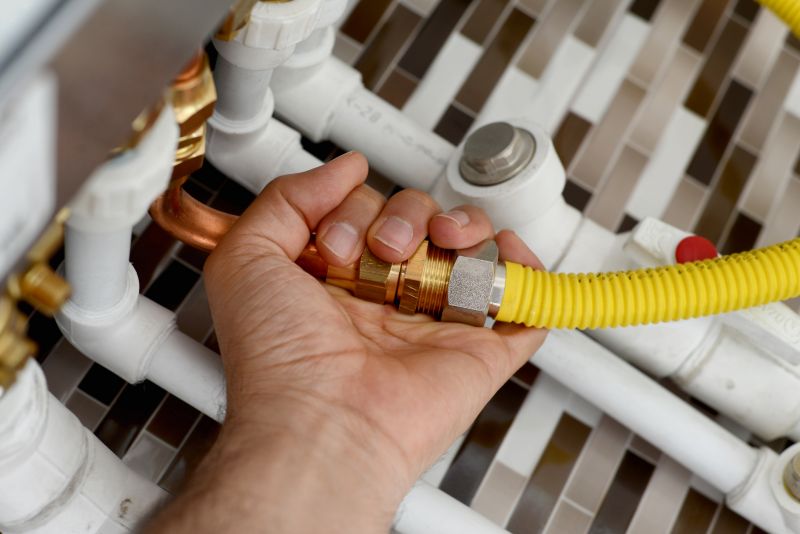
When selecting a contractor for gas line capping services, it’s important to consider their experience with similar projects in the Boise area or nearby communities. A knowledgeable service provider will understand the specific requirements and safety considerations involved in capping gas lines safely and effectively. Reviewing a contractor’s background in handling projects comparable in scope can help ensure they have the practical expertise needed to complete the job correctly and efficiently.
Clear, written expectations are essential when working with local contractors. Homeowners should seek providers who can offer detailed descriptions of the work involved, including the steps they will take, materials used, and any necessary permits or inspections. Having these expectations documented can help prevent misunderstandings and provide a reference point throughout the project, ensuring that both parties are aligned on the scope and deliverables.
Reputable references and strong communication are key factors in choosing a dependable service provider. Homeowners are encouraged to ask potential contractors for references from previous clients who had similar work done. Good communication throughout the process-prompt responses to questions, clear explanations, and transparency about progress-can make the experience smoother and more predictable. It’s worth noting that this site introduces homeowners to local options, serving as a resource to connect with qualified service providers, rather than performing the work directly.
Property owners in Boise, ID use Gas Line Capping services for practical projects around their homes and businesses. This guide focuses on everyday jobs and straightforward project options.
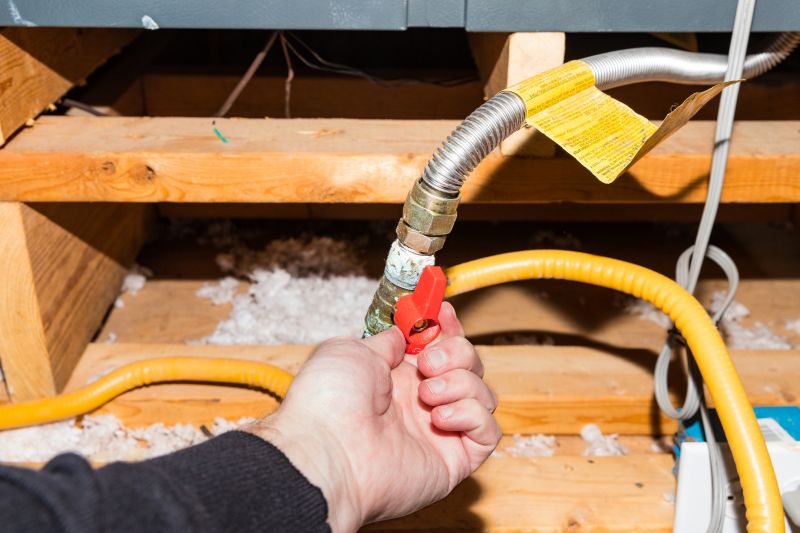
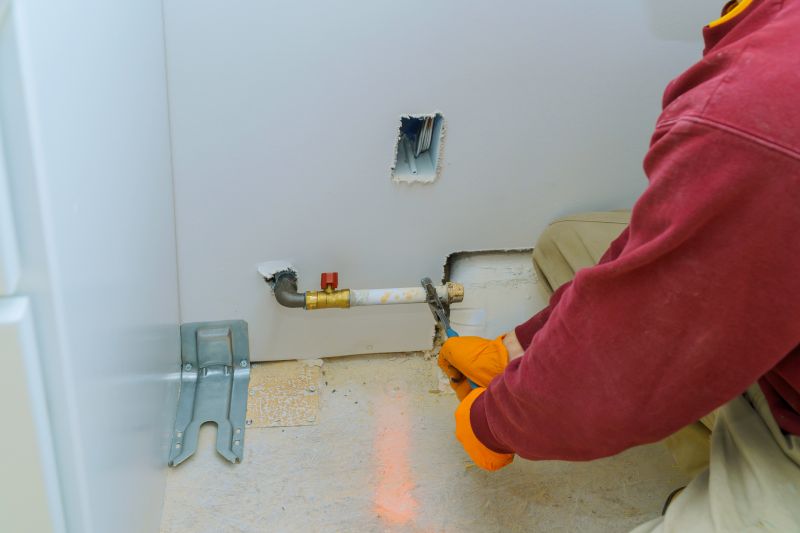
Gas line capping services are often needed when property owners in Boise are preparing a home for sale, renovating, or removing outdated appliances that are no longer in use. For example, if a homeowner is replacing a gas furnace or stove, a professional contractor can safely and efficiently cap the existing gas line to prevent leaks or hazards. These services are also useful when a property is undergoing remodeling and certain gas lines need to be temporarily shut off or permanently sealed to meet safety standards.
Local contractors can assist property owners who discover unused or abandoned gas lines on their property, especially during inspections or repairs. In some cases, gas lines may be damaged or deteriorated, requiring professional capping to ensure safety and compliance. Whether for routine upgrades, safety concerns, or property improvements, connecting with experienced service providers in Boise can help ensure the job is done correctly and in accordance with local codes.
What is gas line capping? Gas line capping involves sealing off an unused or damaged gas line to prevent leaks and ensure safety.
Why might I need a gas line cap? A gas line cap is necessary when removing appliances, performing renovations, or if a line is damaged and needs to be safely shut off.
Are gas line capping services safe? Yes, professional gas line capping by experienced contractors ensures proper sealing and reduces the risk of leaks or hazards.
How do local contractors handle gas line capping? They typically assess the line, shut off the gas supply, and securely install a cap to ensure safety and compliance with local standards.
Can a gas line be capped if I plan to reconnect it later? Yes, a professional can cap the line temporarily or permanently, depending on future plans for the gas connection.
Property Renovation Projects - Gas line capping services can be useful when removing or modifying existing gas lines during home renovations or remodeling projects.
Safety Precautions for Gas Line Removal - When upgrading appliances or installing new fixtures, local contractors can safely cap unused gas lines to prevent leaks.
Preparing for Property Sale or Transfer - Property owners planning to sell or transfer ownership may need gas line capping to ensure safety and compliance during the process.
Emergency Gas Line Closure - In cases of suspected leaks or damage, service providers can quickly cap gas lines to mitigate hazards and secure the property.
If you are thinking about Gas Line Capping for a property in Boise, ID, this guide is meant to help you understand the work, the typical project types, and how different options might fit your plans.
When you are ready, you can use the quote form on this page to share a few details about your project. From there, local pros can review the basics and respond with options that match what you have in mind.